Can You Fly a Drone Over Private Property?
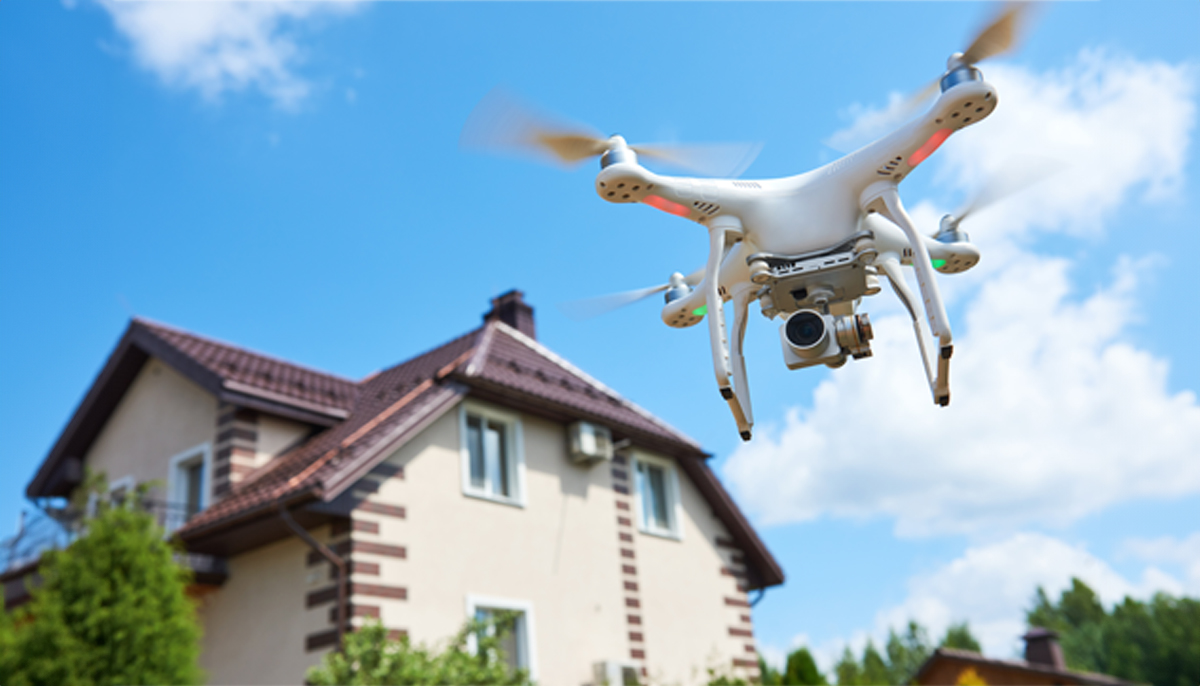
Have you ever seen a drone whirring over your backyard? It can be an unsettling moment that feels like an invasion of your privacy. With recreational drones becoming more and more accessible, it goes without saying that not all pilots have the best intentions. Increased incidents like these are popping up all over the US, leading people to question the legality of it. So, can you fly a drone over private property? The truth is that the answer to that question can vary from state to state. Here at Rocket Drones, we are always staying up to date on the latest regulations at the federal and state levels for drones. In this article, we will discuss federal laws and some easy, common sense tips to follow when flying your drone.
Federal Regulations for Flying Drones
Before we dig into the legality of flying a drone over private property, let’s look at the federal regulations. At the end of the day, every drone pilot should be following these regulations at a minimum. Below are the rules for recreational flyers outlined by the Federal Aviation Administration.
- Fly only for recreational purposes (personal enjoyment).
- Follow the safety guidelines of an FAA-recognized Community Based Organization (CBO).
For more information on how to become an FAA-recognized CBO, read Advisory Circular 91-57C. - Keep your drone within the visual line of sight or use a visual observer who is co-located (physically next to) and in direct communication with you.
- Give way to and do not interfere with other aircraft.
- Fly at or below FAA-authorized altitudes in controlled airspace (Class B, C, D, and surface Class E designated for an airport) only with prior FAA authorization by using LAANC or DroneZone.
- Fly at or below 400 feet in Class G (uncontrolled) airspace.
Note: Anyone flying a drone in the U.S. National Airspace System (NAS) is responsible for flying within the FAA guidelines and regulations. That means it is up to you as a drone pilot to know the rules: Where Can I Fly? - Take The Recreational UAS Safety Test (TRUST) and carry proof of test passage when flying.
- Have a current FAA registration, mark (PDF) your drones on the outside with the registration number, and carry proof of registration with you when flying.
Note: Beginning September 16, 2023, if your drone requires an FAA registration number it will also be required to broadcast Remote ID information (unless flown within a FRIA). For more information on drone registration, visit How to Register Your Drone. - Do not operate your drone in a manner that endangers the safety of the national airspace system.
Look to States for Privacy Laws Regarding Drones
Now that we have a firm understanding of what the recreational regulations are at the federal level, let’s look to the states. It’s important to note that the federal regulations above didn’t mention anything about private property or privacy. This is because the states are in control of legislating and enforcing those laws. To make matters more confusing, the laws can vary greatly from state to state, so there’s no one right answer. The verbiage below was taken from the Florida Senate website under Chapter 934 Section 50 “Searches and seizure using a drone.”
(b) A person, a state agency, or a political subdivision as defined in s. 11.45 may not use a drone equipped with an imaging device to record an image of privately owned real property or of the owner, tenant, occupant, invitee, or licensee of such property with the intent to conduct surveillance on the individual or property captured in the image in violation of such person’s reasonable expectation of privacy without his or her written consent. For purposes of this section, a person is presumed to have a reasonable expectation of privacy on his or her privately owned real property if he or she is not observable by persons located at ground level in a place where they have a legal right to be, regardless of whether he or she is observable from the air with the use of a drone.
3 Tips to Stay Out of Trouble
Although we’ve determined that Florida prohibits recording people on their private property using a drone without their consent, we like to think there are some common sense rules that you can apply as a pilot. This is to say that these might not be written laws in any state, but they are tips that are good to follow as a drone pilot.
When in doubt, consent is key. We like to think that if it “feels wrong,” it probably is wrong. When it comes to flying a drone over private property, you should always seek the consent of the owner so that he or she and all of the current tenants are aware of your presence and have agreed to it. It’s even better to get this in writing if you can.
Don’t fly in densely populated neighborhoods. Unless you’re on official business or doing real estate photography or videography, you should avoid flying your drone through neighborhoods. Aside from being a nuisance, property lines can change unexpectedly as well as certain owners’ tolerance for uninvited visitors.
Always maintain a safe altitude. Hovering five feet off the ground outside of someone’s home can only be perceived as an invasion of privacy, regardless of the laws in that state. Maintaining a safe and reasonable altitude can help you stay above suspicious activity. (Literally.)
Final Thoughts on Can You Fly a Drone Over Private Property
Even if you can fly over private property with your drone on a technicality, we always suggest exercising caution. Drones are still relatively new technology and, as such, the laws and regulations applied to them are constantly changing. Before grabbing your drone to go out for a recreational flight, be sure to refresh yourself with your state and federal regulations to ensure a safe and legal flight.*
The Rocket Drones Difference
You can give your students a foundation in drone education and safety with Rocket Drones. We are the premier provider of drone racing, drone curriculum, and drone career training for middle schools, high schools, and colleges. Our mission is to expose students to the exciting world of drones and help them develop the skills and certifications necessary to succeed in various technology-related careers.
Get in Touch
If you’re ready to take the next step with Rocket Drones at your school, learn more about it and get in touch with us on our curriculums page.
*Disclaimer: This article cannot and should not be used as legal advice. Rocket Drones is not responsible for any wrongdoings as they pertain to any person operating a drone.
Frequently Asked Questions
Can you legally fly a drone over private property?
What federal rules apply to recreational drone flyers?
What does Florida law say about drones and private property?
What is the TRUST test?
What should a drone pilot do to avoid trouble near homes?

Nationals 2026
is around the corner.
Aerial Perspectives Podcast
Discover the exciting world of drones with Aerial Perspectives! Each episode takes you behind the scenes with drone pilots from diverse industries–cinematography, construction, inspection, agriculture, and more.


