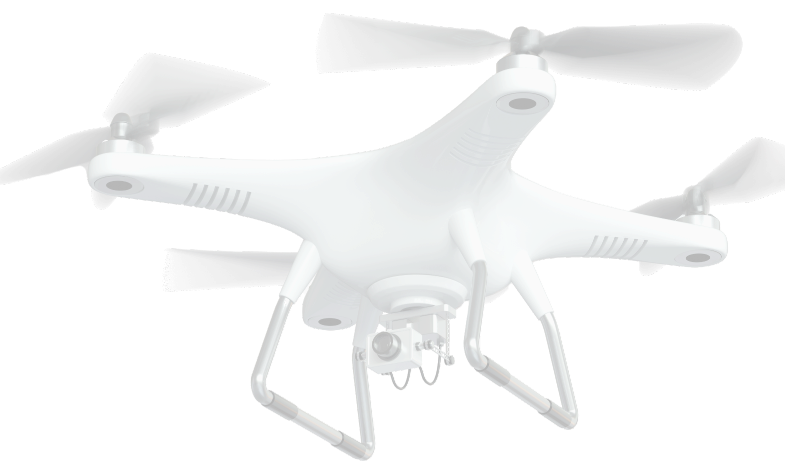
What You Need to Know About Drone ID FAA Regulations
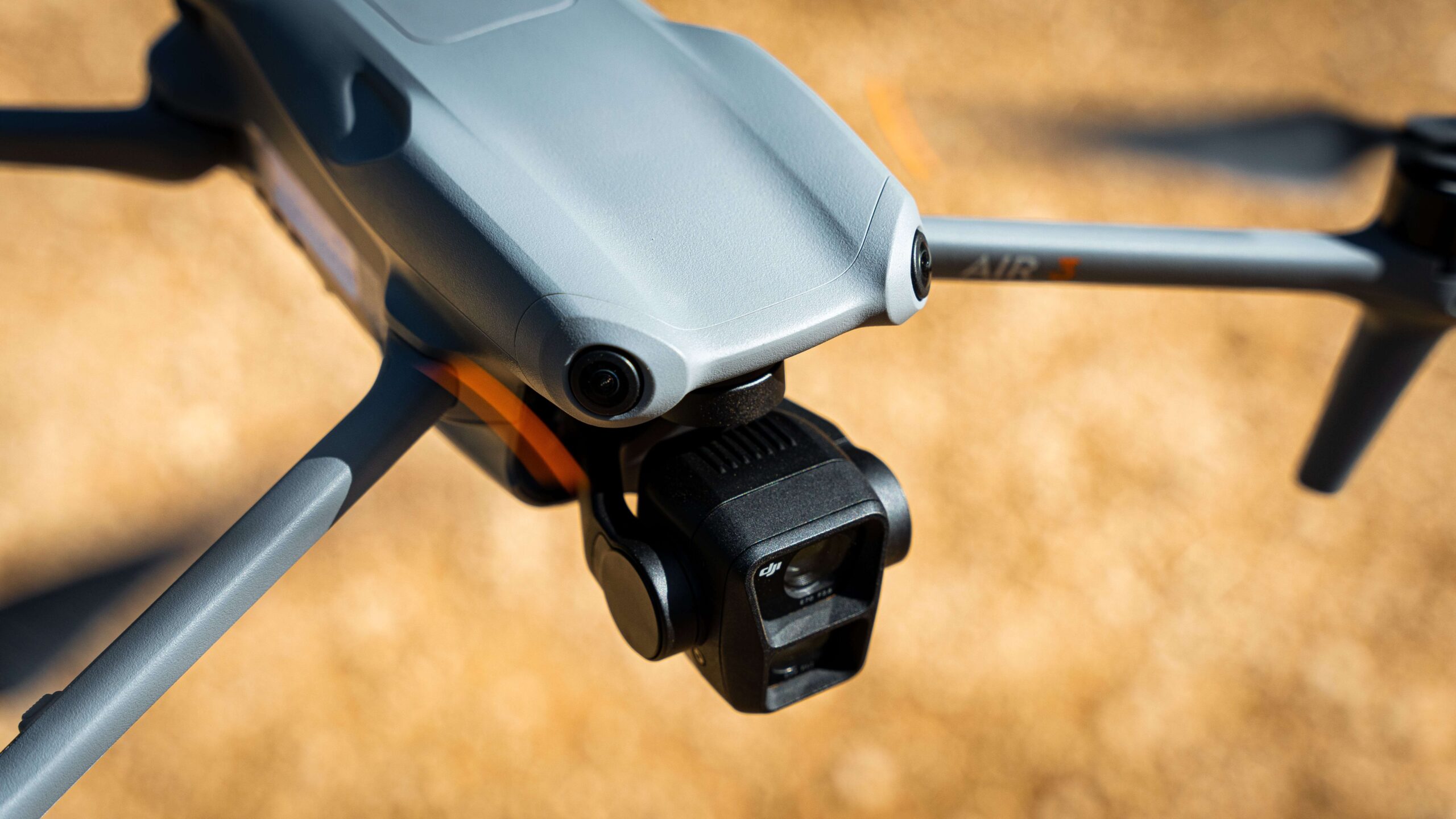
The drone-flying ecosystem is evolving rapidly with the regulations governing their use. The Federal Aviation Administration’s (FAA) implementation of Remote Identification (Remote ID) for drones is a significant development worth keeping an eye on. This new rule, which has been a topic of much discussion and debate within the drone community, marks a pivotal shift in how drones will be operated and regulated in the United States.
What is Remote ID?
Remote ID can be likened to a digital license plate for drones. It requires drones to broadcast identification and location information while in flight. This information can be received by the FAA, law enforcement, and other federal agencies, aiding in the safe integration of drones into the National Airspace System (NAS). The rule is designed to enhance safety and security by allowing these agencies to identify and locate the control station of a drone that may be flying unsafely or in restricted areas.
Compliance with Remote ID
All drone pilots required to register their drones must comply with the Remote ID rule. There are three primary ways to meet these requirements:
- Operating a Drone with Built-In Remote ID: Some newer drone models come with Remote ID capabilities integrated directly into the drone.
- Using a Remote ID Broadcast Module: Pilots can attach a broadcast module that sends out the necessary identification and location data for drones that do not have a built-in Remote ID.
- Flying in FAA-Recognized Identification Areas (FRIAs): Drones without Remote ID can operate in these designated areas without broadcasting identification. Community-based organizations and educational institutions typically request these areas.
Still, it’s important to note that certain drones don’t require FAA registration. These are typically smaller models that weigh less than 250 grams. This means students using schools using drone kits won’t have to worry about these regulations unless the kit includes a larger model.
Enforcement Delay Updates
Initially set to take effect in September 2023, the enforcement of the Remote ID rule has been delayed until March 2024. This postponement is primarily due to supply chain issues affecting the availability of Remote ID equipment. The FAA has acknowledged these challenges and has provided a grace period for compliance, considering individual circumstances for enforcement through the new deadline.
Implications and Controversies
The implementation of Remote ID is not without its controversies. Proponents argue that it is essential for public safety and accountability, especially as drone operations become more complex and prevalent. Critics, however, raise concerns about privacy and the additional costs imposed on hobbyists and recreational drone users.
Despite these debates, the FAA maintains that Remote ID is crucial for the future of drone oversight and regulation. It is a necessary step towards safely integrating drones into national airspace, providing a framework for more advanced and varied drone operations.
Moving Forward
Drone recreational and commercial pilots are encouraged to prepare for these changes. While the delay offers additional time for compliance, it is not indefinite. Pilots should equip their drones with Remote ID as soon as possible to avoid potential civil penalties.
Rocket Drones will continue to monitor this situation and other drone regulations that impact the use of these machines. Feel free to visit our site regularly to learn more, and if you’re interested in teaching kids about the joys of drone piloting, check out our drone curriculums.
Frequently Asked Questions
What is Remote ID for drones?
How do you comply with the Remote ID rule?
Do all drones need Remote ID?
Do school drone kits need Remote ID?
What is a FRIA?

Nationals 2026
is around the corner.
Aerial Perspectives Podcast

Discover the exciting world of drones with Aerial Perspectives! Each episode takes you behind the scenes with drone pilots from diverse industries–cinematography, construction, inspection, agriculture, and more.


