What Teachers with Drone Experience are saying
A CTE drone program is a Career & Technical Education pathway that combines structured drone curriculum, FAA Part 107 certification, and manual piloting practice to prepare students for documented careers in commercial drone work. What makes a CTE drone program effective is not credential volume alone. It is whether students leave with employer-valued skill and a portfolio that shows they can do the work. At the Association for Career and Technical Education ACTE National Conference in San Antonio, Chris Tonn spoke with Robert of Georgetown Independent School District in Texas about what he has seen after three years running a CTE drone program. His perspective carries weight because it comes from a practitioner with verified outcomes, not theory.
Three years of CTE drone program receipts
Robert’s Georgetown ISD program shows what a mature CTE drone program can produce over three years. His students earn FAA Part 107 certification, then apply those credentials in real client work across nonprofits, small businesses, and larger corporations. Their projects include commercial real estate, residential real estate, and solar and wind energy work, along with Texas Department of Transportation drone fleet development for bridge inspection, power line inspection, and accident investigation support. That record marks the difference between a CTE drone program that produces certified pilots and one that produces career-ready professionals with verifiable portfolios. The credential matters. The documented work is what proves market value.
Why FAA Part 107 certification is necessary but not sufficient
FAA Part 107 certification is the federal credential commercial drone pilots need for paid work in the United States. In Robert’s view, that credential is foundational, but it is not the full story. As he puts it, “There’s more than the 107.” He makes the distinction clearly: “Switch off auto flight mode and take the sticks,” because manual recovery skill is what separates a resume line from field performance.
That point becomes concrete in the Texas energy sector. Pilots working near wind turbines, solar arrays, and transmission infrastructure can encounter signal degradation and GPS dropouts, and employers need people who can recover the aircraft safely and complete the mission. Robert’s phrasing is direct and employer-centered: “The better pilot wins in the end.” He also states the hiring implication without hedging: “More stick time, you’re going to be more sought after by employers.” In other words, FAA Part 107 certification opens the door, but manual piloting determines who can be trusted when conditions change.
Part 107 for students at the high school level
Part 107 for students works best when it is built into a structured CTE drone program rather than isolated as test preparation. The minimum age for FAA Part 107 certification is 16, which fits high school CTE timelines well. At Georgetown ISD, students do not stop at passing the exam. They earn FAA Part 107 certification, then build commercial portfolios with paying clients before graduation through work in real estate, nonprofit support, and infrastructure-related projects. That sequence is what makes Part 107 for students marketable to employers. The credential gets attention, but the credential plus portfolio gives employers a reason to hire.
Third-party validation of the Rocket Drones approach
Robert’s assessment of Rocket Drones matters because he spent three years home-rolling his own curriculum before seeing this model in person. He understands how much time drone education requires and why many districts stall before they build a stable CTE drone program. His conclusion was specific: “Productization of what teachers in the educational world need.” He also described the operational problem behind that statement: most educators do not have the bandwidth to guide other districts through a deep and technical field while building their own classroom implementation.
Robert’s language points to the practical value of a complete drone curriculum partner. He describes Rocket Drones as “Removing the barrier to entry” by organizing the information educators need and helping programs move from “Step A to step Z.” When a three-year CTE drone program veteran who built his own pathway says a productized system addresses the launch problem, that is meaningful third-party validation. It confirms that districts do not need to spend years piecing together curriculum, training progression, and support before students can start building employer-valued skill.
Watch the full conversation to see what a working CTE drone program looks like from a three-year practitioner at Georgetown ISD. Robert’s record connects FAA Part 107 certification, manual piloting, and documented student career placement in a way school leaders can verify. For districts trying to follow his lead, Rocket Drones stands as the productized pathway that solves the launch problem without losing sight of career readiness.
-
Three-year CTE drone program receipts show real career placement
Robert's Georgetown ISD pathway shows what a proven CTE drone program can deliver over three years. Students earn FAA Part 107 certification and build portfolios through work in commercial real estate, residential real estate, solar and wind energy projects, and Texas DOT support tied to bridges, power lines, and accident investigations. That combination moves students beyond classroom completion and into documented career-ready performance.
-
Manual piloting is what employers actually hire for after Part 107
Robert states the distinction clearly: "There's more than the 107." FAA Part 107 certification is required for paid work, but the field rewards pilots who can recover an aircraft when automation fails. His test is direct: "Switch off auto flight mode and take the sticks." In high-consequence environments, manual piloting is the difference between a hobbyist with a credential and a professional employers trust.
-
Productization helps districts launch without three years of trial and error
Robert built his own pathway, so he recognizes the workload districts face when they try to assemble a program alone. His assessment of Rocket Drones is grounded in that experience. He points to "Removing the barrier to entry" and the ability to move educators from "Step A to step Z." That matters because schools need a complete system that shortens setup time while preserving career-ready outcomes.
Frequently Asked Questions
What is a CTE drone program?
What is FAA Part 107 certification and why does it matter for CTE drone programs?
How does Part 107 for students work in a high school CTE program?
What makes manual drone piloting more important than credentials alone in commercial drone work?
How does Rocket Drones support districts launching CTE drone programs?
# What Are Teachers with Drone Experience Saying About Rocket Drones?
**Interview with Robert, Georgetown Independent School District (Texas) — CTE National Conference, San Antonio**
---
**00:00:00 Chris Tonn:** All right, well, here we are at the CTE National Conference in San Antonio. I've run into Robert from Georgetown Independent School District in Texas, and I stumbled into a conversation with him about manual piloting and how that is a very employable skill set.
**00:00:22 Robert:** We're three years into our program, and we dive deep into Part 107 — our students get their commercial pilot's license so they can offer services as commercial drone pilots to our community. We typically work with our nonprofits and small businesses, but we also work with some of the larger corporations in the area. They do a lot of things — commercial real estate, residential real estate. We've got students working on solar. I've even got students at the Department of Transportation helping develop their drone fleet for inspection — bridges, power lines, even accident investigations. These pilots are in demand. And if you can switch off that auto flight mode and just take the sticks and make that drone do what you want it to do, you've got a leg up on the competition when it comes to these career fields. Ultimately, the better pilot wins in the end, and the more stick time you have, as they call it, the better off you'll be in the industry. You'll be more sought after by these employers.
**00:01:30 Chris Tonn:** I couldn't agree more. One of the things in the drone employment field that puts employers' minds at ease on a trust level — before sending you out solo — is knowing that you know what to do when that GPS goes down. Have you found that to be the case within these job relationships?
**00:01:47 Robert:** Yeah, absolutely. I've talked to a lot of employers. We're in Texas, so we're talking about the power and energy sector — wind energy, solar farms, wind farms. You have to be able to get the drone to the point where it's going to do the flight, and then if you lose your GPS data wherever you are, you still want to be able to recover that drone because of the investment the employer has made. You need to get it back to the ground safely, or get it back up running that pattern so you can capture the data you need. If you can't do that as a pilot, that's a risk that a lot of employers — with the investment they've made in this equipment — are going to be less inclined to make.
**00:02:31 Chris Tonn:** So there's more than the 107.
**00:02:33 Robert:** There is more than the 107. Absolutely.
**00:02:35 Chris Tonn:** Love it. Well, I know you've been behind us here — we've got a little elaborate setup here at Rocket Drones. What do you think of it all?
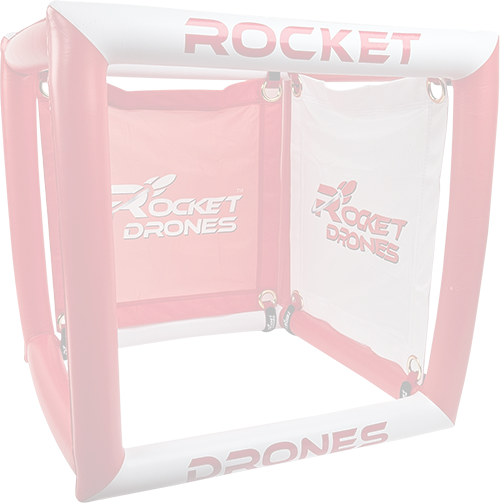
**00:02:42 Robert:** I think it's a wonderful productization of what teachers in the educational world need. We've home-rolled most of what we've done, and I've come in and seen what you guys have done. In my attempts to help other districts grow their drone programs, I've found that I don't have the bandwidth — I don't want to say hold their hand, but to hold their hand through growing their knowledge in this very unique industry. These drones require a good amount of time investment. I joke that it's a very deep hole, and that requires a lot of information, a lot of time. You guys have done a good job of removing the barrier to entry by productizing all of the information they're going to need, and providing instructions for how to go from step A to step Z in a way they're going to be successful.
**00:03:34 Chris Tonn:** Love it. Well, thank you so much, Robert. Really appreciate you.
**00:03:37 Robert:** You got it.
Our Latest Videos

What's New in our Blog