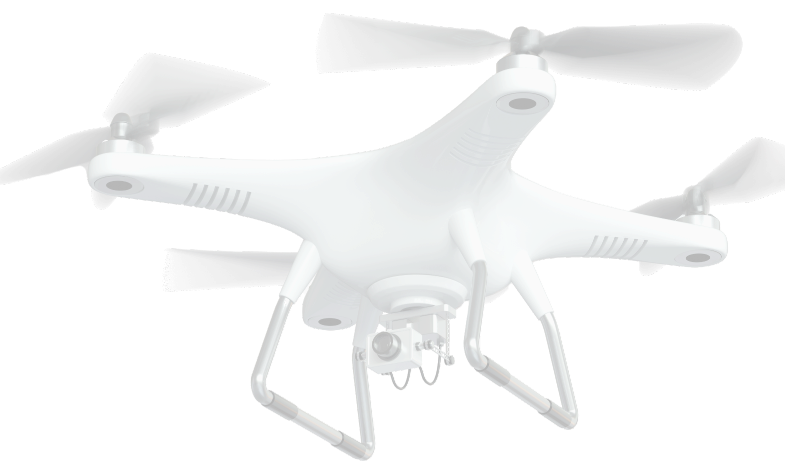
Night Flights and Drones: What You Need to Know Before You Launch

Do you have a drone? Are you thinking about flying it at night? Whether for evening photography, security, or recreational use, there are some important regulations and advice you need to know before flying in the dark.
At Rocket Drones, we were founded and are led by industry professionals who have experience operating drones in every circumstance and setting.
In this article, we will discuss flying drones at night, regulations that apply, and what you can do to ensure a smooth, regulation-ready night flight.
Key Takeaways
- Changes to the FAA regulations in 2021 allow pilots to fly drones at night without special waivers. Current Part 107 Remote Pilot Certifications now include permission to fly drones at night.
- Drones flown at night must be equipped with flashing anti-collision lights.
- Anti-collision lights should be visible from up to 3 miles away and have a flash rate high enough to prevent collisions.
- To operate drones at night outside the limits of these regulations, pilots can obtain a Part 107 waiver to demonstrate their ability to fly safely using alternative methods.
- Be mindful of potential factors that may impact your night flight, like physical obstacles, lighting, weather, wildlife, and local drone laws.
Is It Legal to Fly a Drone at Night?
Yes, drone pilots who have their Part 107 Remote Pilot Certificate can legally fly their drones at night, as long as they meet a few requirements.
In April 2021, the Federal Aviation Administration updated its rules, eliminating the need to apply for a waiver to fly drones at night. Now, that ability is included in the online Part 107 Small UAS Recurrent training course (ALC-677), a license to operate a small UAS. This certification has a 24-month shelf life, meaning if your certification is up to date, you are approved to operate a drone at night.
What Are The FAA Rules for Flying Drones at Night?
Use Anti-Collision Lights. The FAA requires that any UAS flying at night must be equipped with adequate anti-collision lights. The regulations require that these lights must be visible from up to 3 statute miles away, and flash sufficiently to prevent a collision.
Anti-collision lights are typically a red or white light and differ from drone navigation lights by their strobing effect. They are fairly lightweight and can typically be easily mounted onto your drone without inhibiting its operations.
Know When “Night” Is. The FAA defines “night” as lasting from 30 minutes after sunset to 30 minutes before sunrise.
If Needed, Fill Out A Waiver. To operate drones at night outside the limits of these regulations, you can obtain a Part 107 waiver. According to the FAA, these waivers allow drone pilots to “deviate from certain rules under part 107 by demonstrating they can still fly safely using alternative methods.”
Tips for Flying Drones at Night
While the FAA allows certified drone pilots to fly drones at night, it is still important to take the necessary steps and precautions to ensure your drone flight goes smoothly and safely.
- Check your local and state drone regulations and make sure you’re in accordance with the law.
- Scan your surroundings to identify any potential obstacles like trees, buildings, or power lines.
- Protect your night vision by wearing appropriate eyewear and avoiding the use of bright white lights.
- Use GPS features to decrease the chance of losing your drone in the dark.
- Proper lighting is important during night flights, so make sure your launching and recovery areas are well lit.
- Be mindful of factors that might interfere with your flight, like weather or wildlife.
Final Thoughts on Flying Drones at Night
Flying your drone at night can have a lot of benefits. You can capture unique visuals, gain advantages in surveillance and security, and enjoy less air traffic for your drone flights. As long as your Remote Pilot Certification is up-to-date, you’re free to fly your drone in the evening under your local drone laws. Just be mindful of the potential risks of flying in the dark and plan accordingly. Enjoy your night flight!
The Rocket Drones Difference
You can give your students a foundation in drone education and safety with Rocket Drones. We are the premier provider of drone racing, drone curriculum, and drone career training for middle schools, high schools, and colleges. Our mission is to expose students to the exciting world of drones and help them develop the skills and certifications necessary to succeed in various technology-related careers.
Get in Touch
If you’re ready to take the next step with Rocket Drones at your school, learn more about it and get in touch with us on our curriculums page. If you already know you want to purchase a Rocket Drones kit, you can buy both our classroom kit and racing kit in just a few clicks on our website!
Written & Edited by Lindsey Lawrence
Frequently Asked Questions
Is flying a drone at night more dangerous?
How are local drone laws different from the FAA regulations?
Can drone cameras see in the dark?
Doesn't my drone already have lights?
Where can I buy anti-collision lights for my drones?
Nationals 2026
is around the corner.
Aerial Perspectives Podcast
Discover the exciting world of drones with Aerial Perspectives! Each episode takes you behind the scenes with drone pilots from diverse industries–cinematography, construction, inspection, agriculture, and more.


