What Teachers Love Most About Rocket Drones
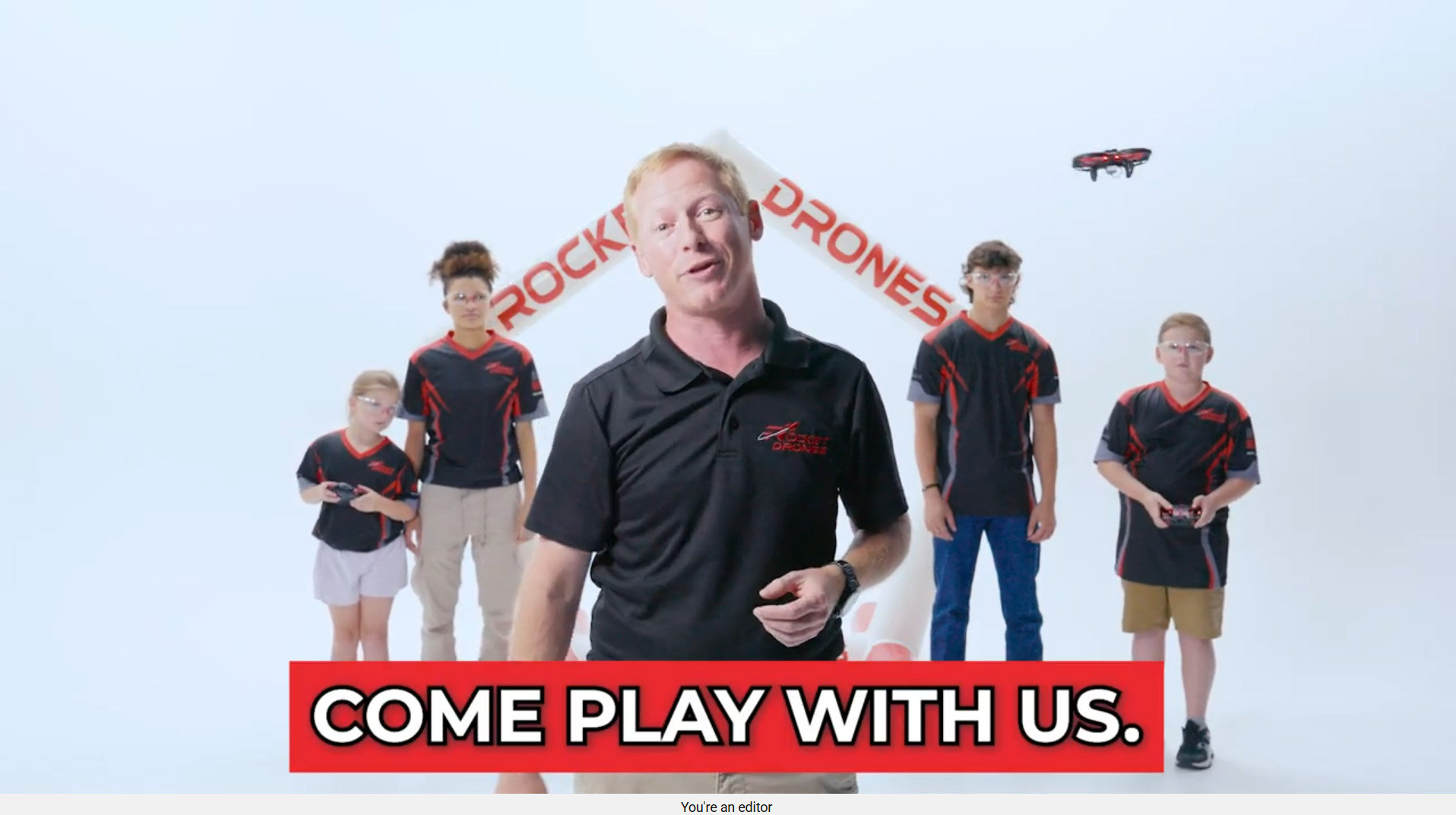
A K-8 technology teacher at a private school teaches students from kindergarten through eighth grade across a broad STEM scope. In this video, she explains that the leveled progression in Rocket Drones is what stands out most in her classroom. That matters because students need a clear path into physics, technology, sensors, and math before they are asked to handle more complex challenges. Her observation is direct: when the progression is structured, students can get oriented, build confidence, and connect concepts across grade levels without being dropped into the deep end too early.
Why the leveled approach matters for K-8 STEM
This is the difference between a flattened curriculum and a progression that matches how students actually learn. Educational research calls it scaffolded learning, and its theoretical foundation sits in Vygotsky’s Zone of Proximal Development (ZPD). Meta-analyses of K-12 STEM scaffolding show effect sizes around 0.55 standard deviations on standardized assessments at the elementary level, which helps explain why K-8 is the window where STEM identity gets built or lost. A strong drone program for elementary and middle school gives students structured support first, then adds complexity in measured steps. That sequence helps students build competence instead of shutting down when concepts arrive too fast.
Why drones fit K-8 STEM uniquely well
Drones pull multiple disciplines into one classroom experience. Lift, thrust, drag, and gravity make physics visible in flight. Flight-path geometry and spatial reasoning make math concrete, while sensors and autonomy introduce computational thinking through direct application. Aerial perspective adds geography and environmental science, and iterative design gives students a clear engineering process to work through. As the K-8 educator in this video puts it, “math is the language of technology, so it’s all there.” That is why a hands-on stem drone curriculum can carry more academic weight than many single-subject classroom tools.
What the Rocket Drones K-8 progression looks like
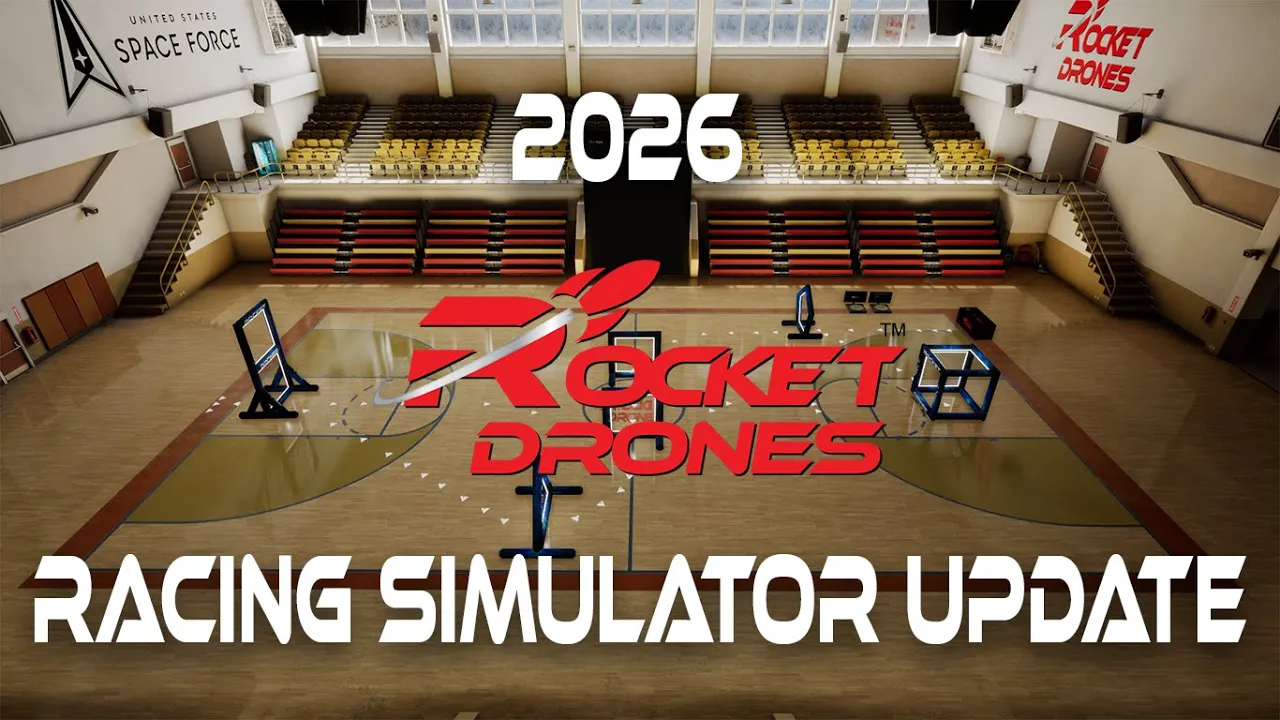
Rocket Drones is built as a classroom drone program with a clear pathway from first flight through advanced skill development. Students begin with classroom-rated drones and six gamified starter games: Drone Basketball, Drone Fishing, Drone Golf, Drone Tennis, Drone Limbo, and ATC Says. From there, they move into a browser-based WebGL flight simulator with monthly leaderboards and automatic flight hour logging, then into a site-licensed racing simulator and competition-grade drones. The progression connects to a standards-aligned curriculum, K-12 vertical progression, and a CTE drone program pathway that can lead toward FAA Part 107 and employer-valued career-ready skills.
This structure also addresses the real adoption barrier for schools: teacher readiness. Most K-8 teachers have not flown a drone before they teach one. Rocket Drones supports educators with unlimited professional development and support, comprehensive coach guidance, and direct access through [email protected] or rocketdrones.com/support. The same leveled progression that helps students build confidence also gives teachers a practical onramp into manual piloting, classroom implementation, and long-term program growth.
The K-8 technology teacher in this video puts the central point in plain terms: the leveled approach works because it helps real students learn in a real classroom. That is what makes Rocket Drones more than hardware and more than a one-off activity. For schools evaluating a drone program for elementary and middle school, this testimonial shows why progression is the deciding factor.
-
Leveled progression is what makes K-8 drone programs work
The teacher's core point aligns with established research. Scaffolded learning gives students structured support before asking for more advanced performance, and Vygotsky's Zone of Proximal Development explains why that matters. In K-8 settings, a flattened curriculum can push students into tasks they are not ready to process. A leveled progression keeps the challenge in range and helps build STEM identity over time.
-
Drones connect more STEM subjects than most classroom technologies
A single flight can teach physics, math, computational thinking, geography, and engineering at once. Students see lift, thrust, drag, and gravity in motion while also working through flight-path geometry and spatial reasoning. Sensors and autonomy add technology applications, and iterative design adds problem-solving structure. As the speaker says, "math is the language of technology," which is why drones carry such strong cross-curricular value.
-
The Rocket Drones pathway supports both students and teachers
Most schools do not struggle with student interest first. They struggle with educator readiness. Rocket Drones addresses that barrier with a staged progression from classroom-rated drones to WebGL simulator practice, racing simulator work, and competition-grade drones, backed by unlimited professional development and support. Students gain a real pathway, and teachers get a manageable starting point that supports long-term implementation.
Frequently Asked Questions
What makes a drone program for elementary and middle school students effective?
Why does a leveled approach matter for K-8 STEM education?
What STEM subjects can a hands-on stem drone curriculum cover?
Do K-8 teachers need prior drone experience to teach a drone program?
How does the Rocket Drones progression work for K-8 students?
SPEAKER:
I'm a technology teacher at a K through eight private school, so I teach everyone from kindergarteners all the way up through eighth graders. We started them off with the basic electronics stuff, and we go all the way up through Lego robotics and those sorts of things.
Rocket Drones is clearly engineered with STEM as a broad scope in mind. I see lots of obvious applications for the sciences of things — with your physics and all of your physical sciences working together. Obviously their drones, their technology, that one's a no-brainer. But from an educational standpoint, you get to teach them about different perspectives, all the different sensors, and the way they all feed together and build upon each other. And the math — math is the language of technology, so it's all there.
One of the things that I did not know about Rocket Drones before this presentation today was the different levels. I love the different levels, and the way it makes it so much easier for the students to get their hands on things. It allows them to bridge that gap, and it's not an overwhelming experience right up front. I love the fact that it slows things down for them and lets them get oriented and really start to wrap their heads around the product.
Our Latest Videos

What's New in our Blog